
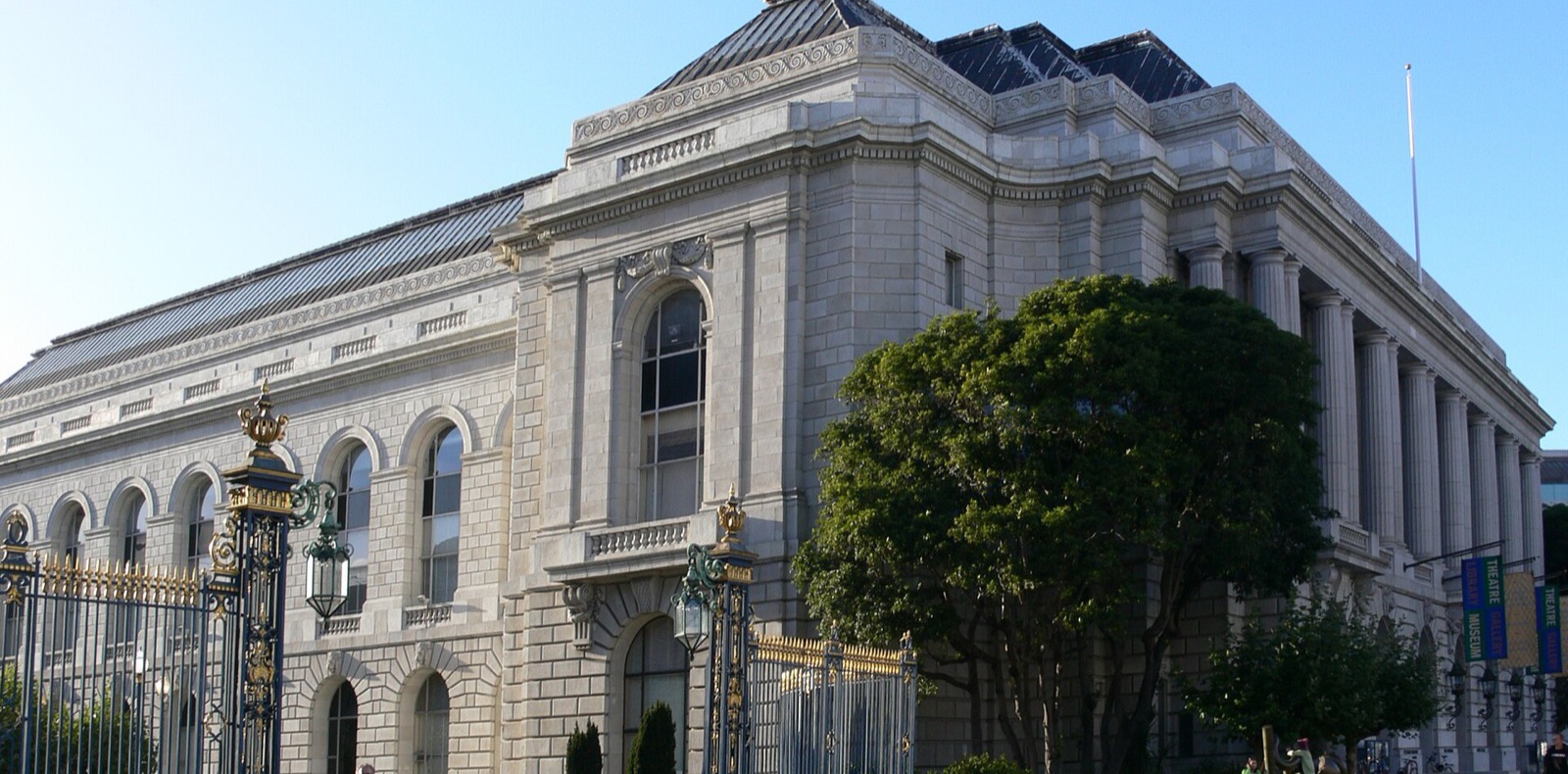
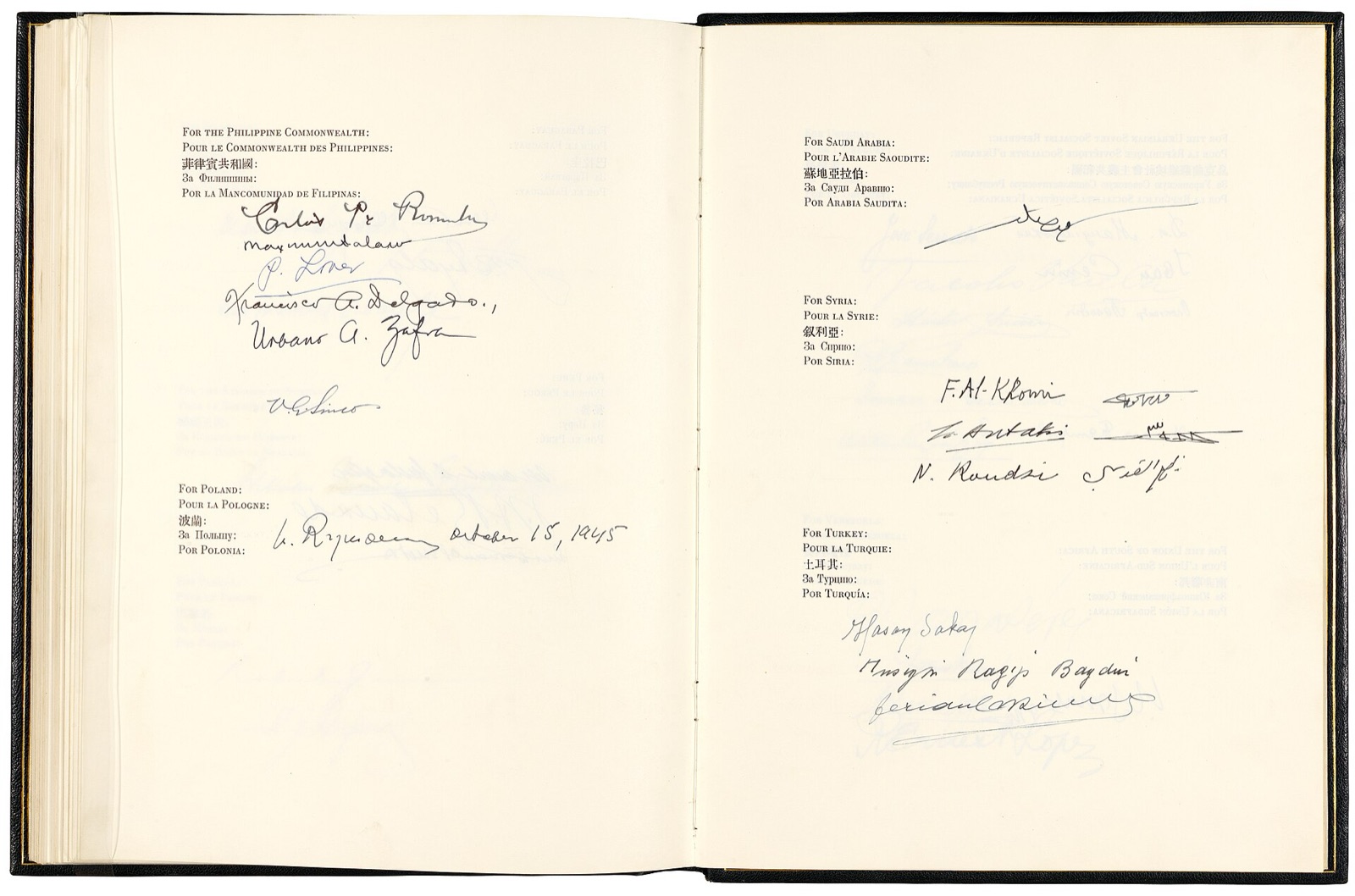
On 26 June 1945, representatives of 50 countries signed the United Nations Charter in San Francisco. Its first purpose as a rulebook for international relations is to lay down laws that ensure that UN Member States interact in a way that maintains international peace. However, the Charter leaves the word peace undefined.
What do later documents say?
To date, no UN document has defined peace.
The 2030 Agenda for Sustainable Development, adopted in 2015, calls for “peaceful, just and inclusive societies which are free from fear and violence”. Goal 16 turns this into measurable targets on violence, access to justice and accountable institutions.
In 2016, the General Assembly and Security Council adopted twin resolutions on sustaining peace, describing it as “a goal and a process to build a common vision of a society”.
They set out what “sustaining peace” practically involves, from preventing conflict to supporting recovery. But they do not explain how to verify when a state of peace has been achieved.
The Declaration on the Right to Peace, adopted by the General Assembly in 2016, declares that everyone has “the right to enjoy peace”. It links that right to the protection of human rights and the full realisation of development. Its preamble recognises that peace “is not only the absence of conflict but also requires a positive, dynamic participatory process”.
In 2023, the Secretary-General’s policy brief A New Agenda for Peace urged countries to develop “national prevention strategies” to address the causes of violence. In 2024, the General Assembly’s Pact for the Future renewed the commitment to “a just and lasting peace”.
What is missing without a definition of peace?
In a study of Security Council decisions, the legal scholar Anna Spain wrote that there is “no definition of peace or shared understanding about what it means to promote peace under international law”. The UN documents above illustrate that pattern.
They vaguely describe what peace requires, what it makes possible and how it breaks down, but they largely take its meaning for granted.
None of the documents sets out a general test that Member States could use to tell whether peace has been achieved.
A ceasefire monitor can verify that the shooting has stopped. A team helping displaced families can check whether they can return home safely. Each can show what it has achieved (in terms of outputs), but not what the two efforts have in common or what they are building together (in terms of impact).
The same gap opens across the many organisations working for peace.
Is it better to leave peace undefined?
The openness and ambiguity in the word “peace” can be useful. People who disagree about what a peaceful society would look like can still agree that peace is worth working for.
They can cooperate on something specific, such as keeping a ceasefire in place, without first settling their wider disagreements. Any shared definition has to take that diversity of views seriously.
The gap matters most when a decision has to be made. International law can tell the Security Council what it is authorised to do. Legal authority alone does not establish whether a decision or a proposed law would help build a lasting peace, whether it is moral. That needs an account of what a lasting peace actually is.